Introduction
Smartwatches have become useful companions for people who want to combine timekeeping, exercise tracking, smartphone connectivity, and everyday notifications in a single wearable device. For active users, additional features such as GPS and water resistance can make a smartwatch more practical for outdoor activities and changing environments.
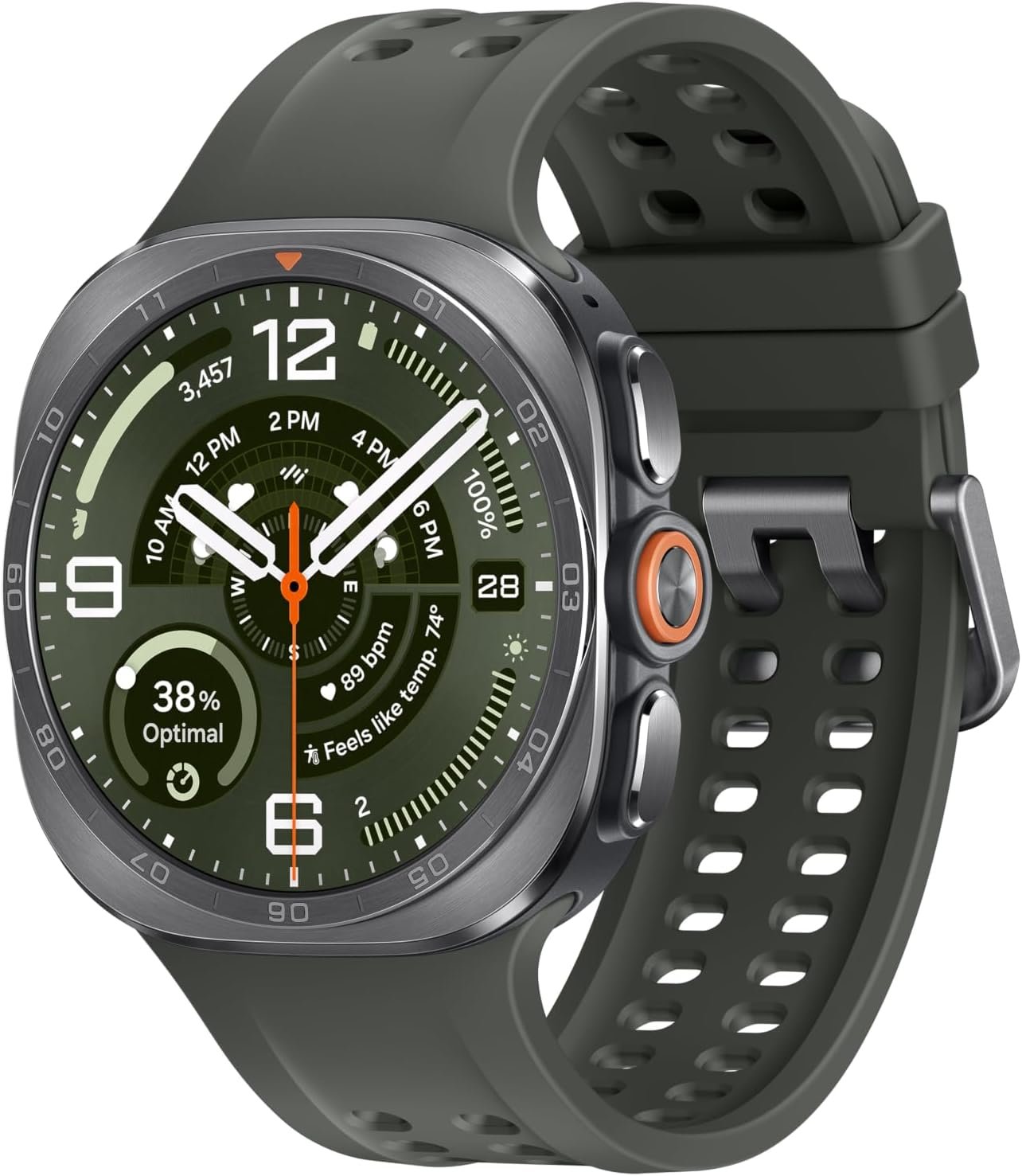
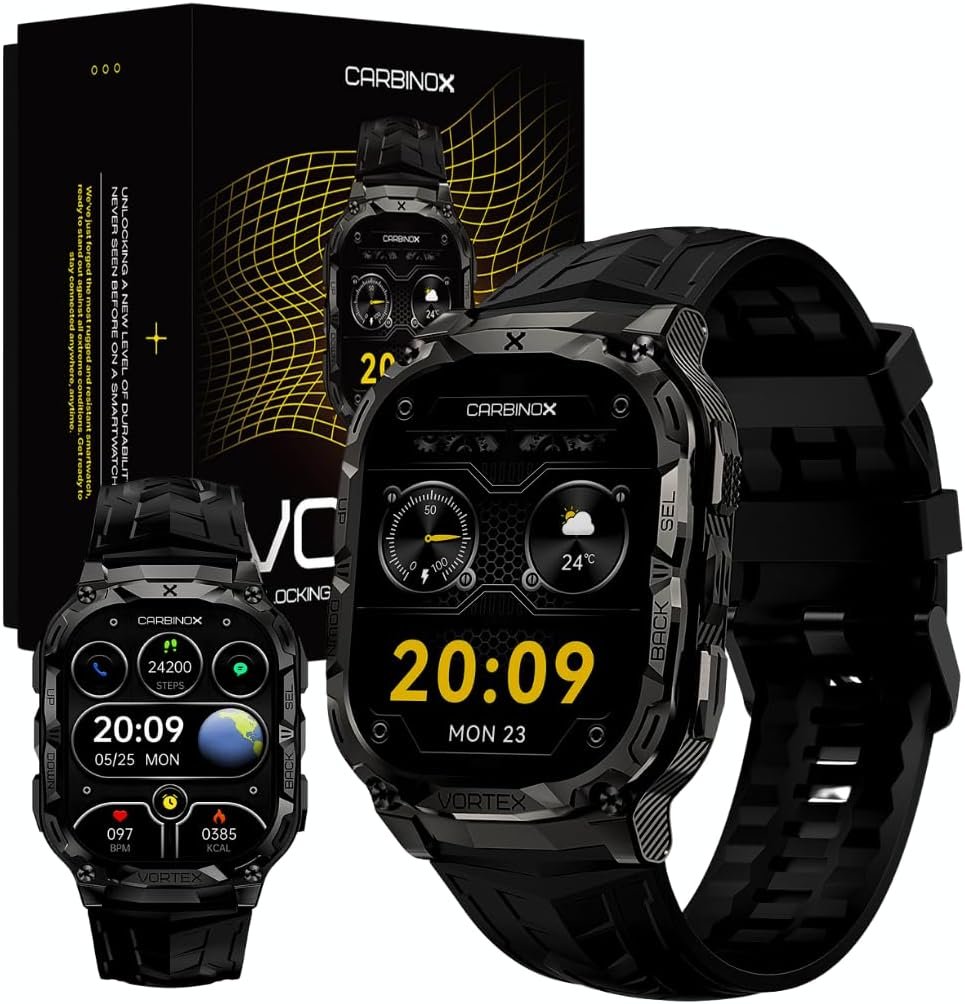
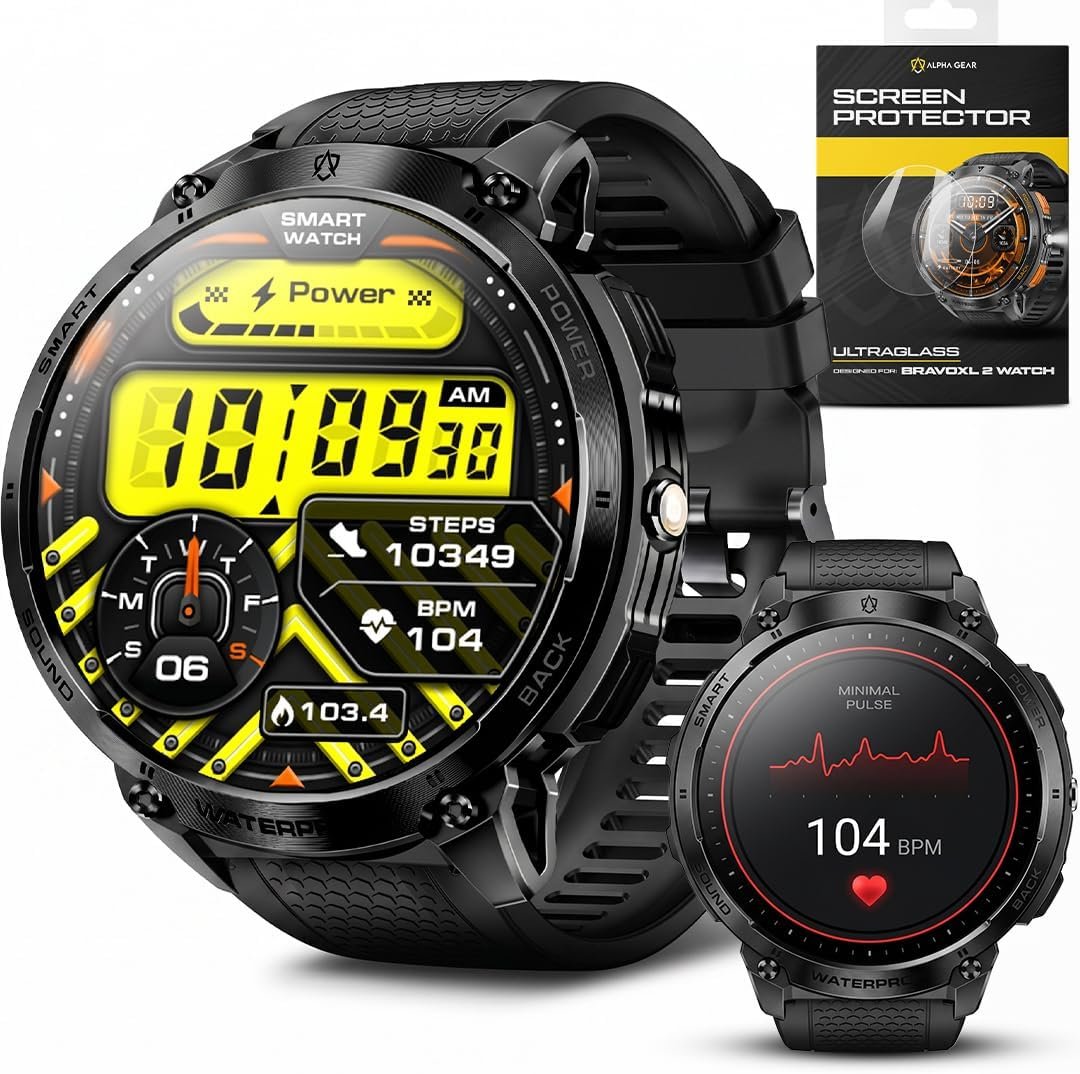
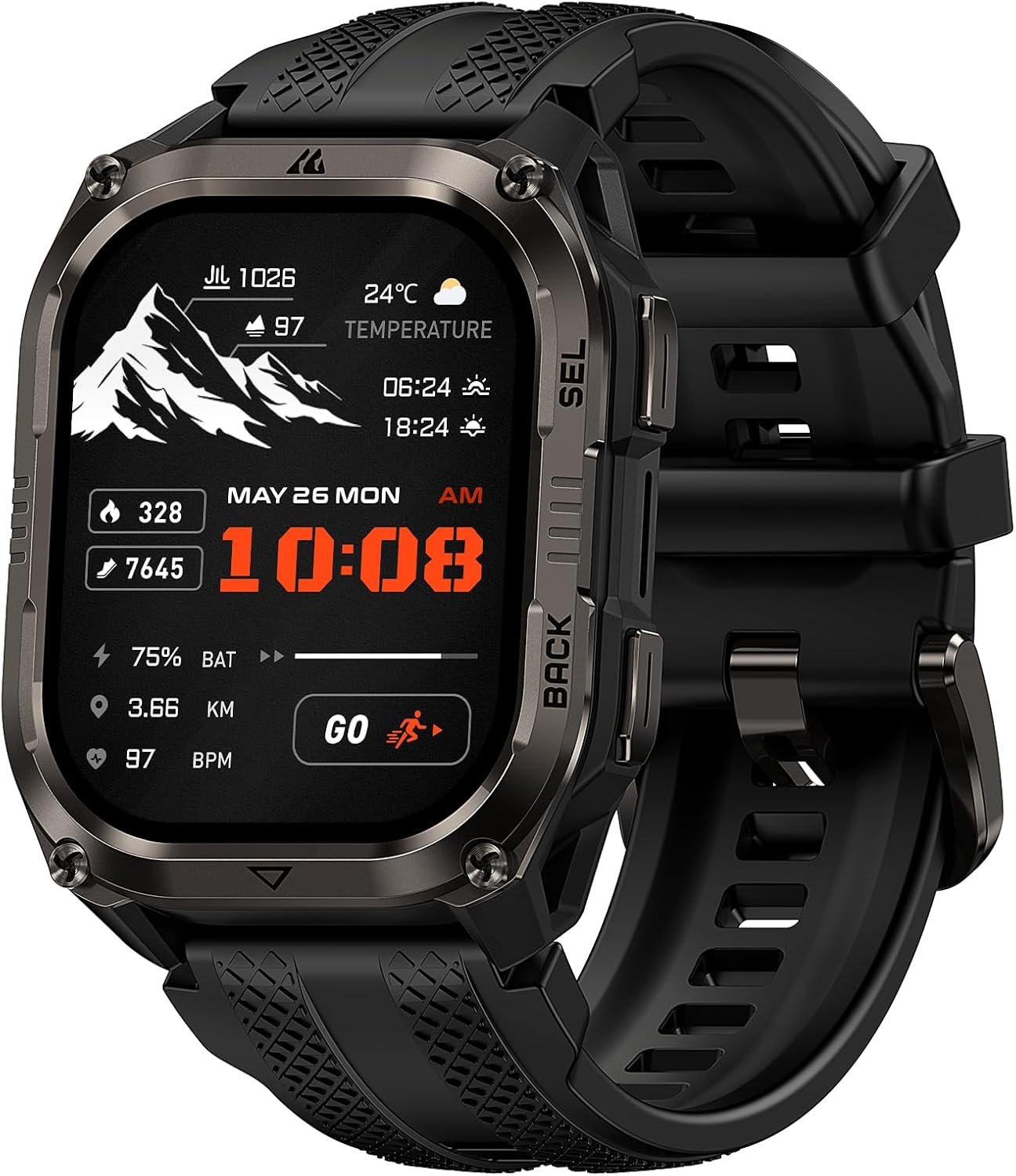
The KOSPET Pulse 2 Smart Watch is presented around this combination of everyday smartwatch functions and activity-oriented features. The product listing highlights built-in GPS, 5 ATM and IP69 water-resistance ratings, and a battery life of up to 15 days. These characteristics are particularly relevant for people who want a wearable designed for exercise, outdoor use, and regular daily wear.
GPS can provide location and movement information during supported outdoor activities. Water-resistance ratings can provide additional protection against certain types of water exposure, although different ratings describe different testing conditions and should not automatically be interpreted as permission for every type of water activity. Battery life is another important consideration because longer intervals between charging can make a wearable easier to incorporate into a consistent routine.
A smartwatch such as this can also serve purposes beyond exercise. Depending on its software and companion application, users may be able to receive smartphone notifications, review activity information, monitor selected wellness metrics, and use other connected functions from the wrist.
As with any electronic wearable, however, specifications need to be understood in context. Battery performance depends on settings and usage, GPS can consume considerably more power than basic timekeeping, and water-resistance ratings have limitations. Health-related measurements from consumer wearables are also generally intended for wellness and fitness purposes rather than medical diagnosis.
This guide examines the KOSPET Pulse 2 from a practical perspective. It explains the significance of GPS, the difference between 5 ATM and IP69 protection, battery considerations, fitness applications, everyday uses, maintenance, and comparisons with other smartwatch categories.
The objective is not to provide a personal review or assign a rating. Instead, the goal is to explain how the watch’s advertised features may fit different lifestyles and what users should consider when evaluating a GPS-enabled smartwatch.
Understanding the KOSPET Pulse 2 Concept
The KOSPET Pulse 2 belongs to a category of smartwatches designed to bridge the gap between everyday wearable technology and fitness-oriented devices.
A basic smartwatch may focus primarily on notifications, timekeeping, and smartphone interaction. A fitness tracker may focus more heavily on activity and wellness measurements. A GPS-equipped smartwatch adds another layer by allowing outdoor activity data to be associated with location and movement.
This can be useful for activities such as walking, running, cycling, and outdoor exercise.
The product’s advertised 15-day battery life is also relevant to this category. People who use a smartwatch every day may prefer a device that does not require frequent charging. However, battery claims should always be interpreted according to usage conditions.
Using GPS continuously, increasing screen brightness, receiving frequent notifications, or using sensors extensively can consume considerably more energy than simply checking the time occasionally.
The combination of GPS, water-resistance ratings, and longer advertised battery life makes the watch particularly relevant to active users who want a wearable that can accompany them through different environments.
Key Features
Built-In GPS
GPS is one of the most important features for people who track outdoor activities.
A GPS-equipped smartwatch can determine location using satellite positioning and use that information to estimate aspects of an outdoor workout such as route, distance, and movement.
For runners and walkers, GPS can provide a way to record where an activity took place without requiring the phone to be held continuously.
Cyclists can also use location data to review a route after an activity, depending on the watch’s software and supported features.
GPS can be especially useful for outdoor workouts because distance estimates based only on wrist motion can be less informative for activities where movement patterns vary.
At the same time, GPS accuracy is not identical in every environment. Buildings, dense tree cover, terrain, atmospheric conditions, and satellite visibility can affect positioning.
Users should therefore treat GPS tracking as useful activity information rather than assuming that every recorded route will be perfectly precise.
5 ATM Water Resistance
The product is advertised with a 5 ATM water-resistance rating.
ATM ratings are commonly used to describe pressure resistance under standardized testing conditions. A 5 ATM rating corresponds to a pressure equivalent of approximately 50 meters in a laboratory context.
It is important not to interpret that number literally as meaning the watch can necessarily be worn at a depth of 50 meters.
Real-world water exposure includes movement, water pressure changes, temperature, impacts, and other factors that may differ from controlled testing.
Users should follow the manufacturer’s specific guidance regarding swimming, showering, diving, and other water activities.
IP69 Protection
The product also advertises IP69 protection.
IP ratings describe resistance to the ingress of solids and liquids under defined testing conditions.
The “6” indicates a high level of protection against dust ingress under the relevant standard, while the “9” relates to protection against powerful high-temperature water jets under specific test conditions.
This does not mean that IP69 and 5 ATM describe exactly the same type of protection.
The two ratings address different testing scenarios.
For consumers, the practical takeaway is that the watch is designed with substantial resistance to environmental exposure, but users should still follow the manufacturer’s limitations regarding water, heat, chemicals, and cleaning.
Up to 15 Days of Battery Life
The product listing advertises up to 15 days of battery life.
A long battery interval can be useful for people who do not want to charge their watch every day.
However, the word “up to” is important.
Actual battery life can vary according to:
- GPS usage
- Screen brightness
- Display activation frequency
- Notifications
- Bluetooth connectivity
- Sensor monitoring
- Workout tracking
- Calls or other connected functions
- Software settings
- Battery age
For example, a user who records frequent GPS workouts may experience significantly different battery performance from someone who mainly checks the time and receives occasional notifications.
The 15-day figure should therefore be treated as a manufacturer’s stated maximum under particular conditions rather than a guaranteed runtime for every user.
Fitness Tracking
A GPS smartwatch can provide a useful platform for monitoring physical activity.
Depending on the supported functions, users may be able to track workouts and review information through the watch or companion application.
Fitness tracking can help users maintain a record of exercise sessions and observe patterns over time.
The usefulness of the data depends on sensor quality, correct device placement, software algorithms, and the type of activity being performed.
Smartphone Connectivity
Like many modern smartwatches, the KOSPET Pulse 2 can be used as part of a connected smartphone setup.
Bluetooth connectivity can allow the watch to exchange information with a compatible phone and synchronize activity data.
Connected features can make the smartwatch more useful beyond exercise because the wrist becomes an additional interface for information.
Users should check the manufacturer’s current companion-app requirements and supported smartphone operating systems before setup.
How It Can Be Used
Walking
Walking is one of the simplest activities to track with GPS.
A user can start an outdoor walking session and use the watch to record movement and location-related information.
GPS can be especially useful for longer walks because it can provide a more direct estimate of distance than simply counting steps.
After the activity, the recorded information may help the user understand how far they traveled and how their activity changes over time.
Running
Runners often use GPS watches to monitor distance and route.
A GPS-enabled smartwatch can help track outdoor runs without requiring the runner to keep a smartphone in hand.
Depending on the supported software, users may be able to review route information and workout statistics afterward.
GPS accuracy can vary in urban environments, wooded areas, and locations with obstructed satellite visibility.
Cycling
Cyclists can use a GPS smartwatch to record outdoor rides.
The watch can potentially provide distance and route information while remaining attached to the wrist.
For casual cycling, this can be sufficient for basic activity tracking.
People who need highly specialized cycling metrics may instead require a dedicated cycling computer with features designed specifically for that sport.
Hiking
GPS can be particularly useful for hiking because outdoor routes may cover uneven terrain and unfamiliar areas.
A smartwatch can provide activity information while the user remains mobile.
However, a smartwatch should not necessarily be treated as the sole navigation system during remote hikes.
Carrying a phone, physical map, dedicated navigation device, or other backup method can provide additional safety.
Gym Workouts
GPS is less important indoors, but the smartwatch can still be useful for exercise tracking.
Users can wear it during strength training, cardio sessions, or other supported workouts.
The watch can also function as a regular timekeeping and notification device between workouts.
Outdoor Recreation
The combination of GPS and water-resistance features can make the watch relevant to outdoor recreation.
Activities such as walking, jogging, camping, and recreational cycling can expose a wearable to sweat, rain, dust, and changing conditions.
The advertised protection ratings can provide additional environmental resistance, but users should still follow the manufacturer’s limitations.
Everyday Wear
A GPS smartwatch does not need to be used exclusively for exercise.
It can also serve as an everyday watch for checking time, receiving supported notifications, and synchronizing activity information with a smartphone.
This can make the wearable useful even on days when no formal workout takes place.
Travel
During travel, a smartwatch can provide quick access to time and activity information.
A GPS feature can also be useful for recording walks through unfamiliar areas.
The battery capacity can be especially convenient when traveling because fewer charging opportunities may be available.
However, users should remember that frequent GPS use can increase battery consumption.
Who It May Be Suitable For
Outdoor Walkers and Runners
People who regularly walk or run outdoors may find GPS useful for recording routes and distance.
Recreational Cyclists
Casual cyclists may appreciate having route and activity information without carrying a dedicated cycling computer.
Hikers
People who hike regularly may find the combination of GPS and environmental resistance useful, particularly for day hikes.
However, additional navigation equipment may still be appropriate for remote areas.
Active Travelers
Travelers who walk extensively during trips can use GPS activity tracking while also benefiting from a longer advertised battery interval.
Everyday Smartwatch Users
Someone who wants a smartwatch that can be used for both daily notifications and exercise tracking may find a multifunction device more practical than a narrowly focused fitness band.
Users Who Prefer Less Frequent Charging
The advertised 15-day maximum battery life may appeal to people who prefer longer intervals between charging sessions.
Actual performance will depend on how the watch is configured and used.
Important Things to Consider
Understand the Difference Between 5 ATM and IP69
These two ratings should not be treated as interchangeable.
5 ATM refers to pressure resistance under specified testing conditions.
IP69 refers to protection against dust and powerful water jets under defined ingress-protection tests.
A watch can have both ratings because they address different aspects of environmental exposure.
Consumers should still follow the manufacturer’s instructions for activities such as swimming, diving, hot showers, and exposure to chemicals.
Water Resistance Is Not Permanent
Water resistance can decline over time.
Physical damage, aging seals, impacts, repairs, and exposure to certain substances can affect the protective characteristics of a wearable.
Users should avoid assuming that a water-resistant rating guarantees protection indefinitely.
Avoid Unnecessary Chemical Exposure
Water resistance does not mean a watch is designed for every liquid.
Salt water, chlorine, soaps, detergents, solvents, oils, and other chemicals can affect materials and seals.
After exposure to potentially damaging substances, follow the manufacturer’s cleaning instructions.
GPS Uses More Battery
GPS tracking is one of the features most likely to increase battery consumption.
Someone who uses GPS frequently may see considerably shorter battery life than someone who primarily uses the watch for timekeeping and notifications.
This is normal for GPS-equipped electronics.
Battery Claims Are Usage Dependent
The advertised 15-day figure should be treated as an estimate under particular conditions.
Actual runtime can be affected by:
- Workout frequency
- GPS sessions
- Display brightness
- Notification volume
- Bluetooth activity
- Sensor settings
- Software configuration
- Battery condition
The most useful approach is to consider the stated battery life as a reference rather than a guarantee.
GPS Accuracy Can Vary
GPS is not equally reliable in every environment.
Urban buildings, mountains, forests, tunnels, and other obstructions can interfere with satellite signals.
A smartwatch may therefore record slightly different routes or distances from another device used in the same area.
Health Data Is Not Medical Diagnosis
If the watch provides health or fitness measurements, those should generally be treated as wellness information.
Consumer wearable sensors can provide useful estimates, but they are not automatically equivalent to clinical equipment.
Anyone with a medical concern should consult an appropriate healthcare professional rather than relying solely on smartwatch readings.
Smartphone Compatibility
Before setup, users should confirm that their smartphone is compatible with the watch’s companion application.
Operating-system requirements can change over time.
Compatibility also does not necessarily mean that every feature operates identically on Android and iPhone.
Screen and Physical Size
The physical size of the watch should be considered alongside its screen and battery.
A larger smartwatch can be easier to read, but it may feel more noticeable on the wrist.
Comfort is especially important if the watch is intended to be worn during sleep or extended exercise.
GPS in Everyday Fitness Tracking
GPS can change the way users understand outdoor exercise.
Without GPS, a smartwatch may estimate activity using steps, wrist movement, and other sensors.
With GPS, the device can associate movement with geographic position.
This makes it possible to estimate route and distance more directly.
For example, two walks might both involve a similar number of steps but cover different distances because of stride length, terrain, or movement patterns.
GPS can provide additional context.
However, users should avoid treating every GPS measurement as perfectly exact. Satellite conditions and software processing can influence results.
The most useful application is often tracking general trends over time rather than focusing on tiny differences between individual sessions.
Using a GPS Watch for Route Awareness
A GPS-enabled smartwatch can be useful for understanding where an outdoor activity has taken place.
However, route recording is not necessarily the same thing as full navigation.
Some dedicated outdoor watches provide maps, turn-by-turn directions, offline route storage, elevation data, and advanced navigation tools.
A smartwatch with GPS may provide a simpler location-tracking experience.
For familiar neighborhood walks, this may be sufficient.
For remote or technically challenging environments, users should consider additional navigation equipment.
Making the Most of Battery Life
There are several ways users can potentially extend smartwatch battery life.
Reducing unnecessary screen activation can help.
Lowering display brightness may also reduce consumption.
Disabling notifications that are not important can reduce communication activity.
Frequent GPS use should be expected to consume more energy.
Users can also avoid leaving features active unnecessarily when they are not being used.
The available battery-management options depend on the watch software.
The goal is not necessarily to disable every feature. Instead, users can balance the functions they value with the battery interval they want.
Caring for a Water-Resistant Smartwatch
Water-resistant devices still benefit from proper care.
After exposure to water, users should follow the manufacturer’s recommendations for drying and cleaning.
The charging contacts should be kept clean and dry before charging.
If the watch has been exposed to salt water, chlorine, or other substances, users should consult the manufacturer’s cleaning guidance.
Avoid using harsh chemicals or abrasive materials unless specifically recommended.
It is also important not to assume that a water-resistance rating makes the device immune to physical damage.
Smartwatch vs. Fitness Band
Fitness bands are generally smaller and lighter.
They often focus on activity tracking, notifications, and basic wellness information.
A GPS smartwatch can provide a larger interface and more outdoor-oriented functions.
The trade-off may involve physical size, battery consumption, and complexity.
Someone who wants simple activity tracking may prefer a compact band, while someone who wants GPS and a broader smartwatch experience may prefer a more capable watch.
Smartwatch vs. Traditional Watch
A traditional watch primarily provides timekeeping.
The KOSPET Pulse 2 is designed to add digital features such as GPS, fitness tracking, smartphone connectivity, and other functions.
A traditional watch does not require the same type of software setup or charging routine.
A smartwatch, on the other hand, can provide significantly more information from the wrist.
The appropriate choice depends on how much functionality the user wants.
GPS Smartwatch vs. Dedicated GPS Sports Watch
Dedicated GPS sports watches are often designed around specific activities and may include advanced training tools, mapping, navigation, specialized sensors, and sport-specific metrics.
A general-purpose GPS smartwatch can provide a broader everyday experience.
For someone who wants one device for daily wear and recreational fitness, a general smartwatch may provide enough functionality.
For specialized endurance training or serious navigation, users should compare the exact features required rather than relying on the presence of GPS alone.
Water-Resistant Smartwatch vs. Basic Smartwatch
A basic smartwatch may provide notifications and fitness tracking without emphasizing environmental resistance.
A device with 5 ATM and IP69 ratings is positioned toward users who may encounter more demanding conditions.
However, ratings should always be interpreted according to their specific testing standards.
A rugged-looking design or water-resistance rating does not eliminate the need for careful handling.
Frequently Asked Questions
What is the KOSPET Pulse 2?
The KOSPET Pulse 2 is a smartwatch designed to combine everyday wearable functions with GPS and fitness-oriented features.
Does it have GPS?
Yes. The product is advertised with built-in GPS for supported outdoor activity tracking.
How long can the battery last?
The product listing advertises up to 15 days of battery life. Actual runtime depends on GPS use, display settings, notifications, sensors, Bluetooth activity, and other factors.
What does 5 ATM mean?
5 ATM is a water-pressure resistance rating based on controlled testing conditions. It should not be interpreted simply as permission to take the watch to a physical depth of 50 meters.
What does IP69 mean?
IP69 is an ingress-protection rating covering resistance to dust and powerful high-temperature water jets under specified testing conditions.
Are 5 ATM and IP69 the same thing?
No. They describe different types of testing and protection. 5 ATM concerns pressure resistance, while IP69 is an ingress-protection rating.
Can the watch be used while swimming?
The answer depends on the manufacturer’s specific instructions for this model. Although 5 ATM indicates substantial water-pressure resistance under testing conditions, users should check the current guidance before swimming or exposing the watch to prolonged water activity.
Can it track running?
GPS-enabled activity tracking can be used for outdoor running, assuming running is supported by the device’s fitness software.
Can it track walking?
Yes. GPS can be useful for outdoor walking because it can provide location and distance information.
Can it be used for cycling?
The GPS functionality can be useful for recording outdoor cycling activities, depending on the supported sport modes and companion software.
Is the watch suitable for hiking?
It can be useful for hiking activity tracking and general location awareness. For remote or demanding hikes, users should consider carrying additional navigation equipment.
Does GPS drain the battery?
Yes. GPS operation generally consumes more power than basic timekeeping or occasional notification use.
Is the 15-day battery life guaranteed?
No. The listing’s “up to 15 days” figure is a manufacturer’s stated maximum under particular conditions. Actual battery life varies according to use and settings.
Can the watch replace a medical device?
It should not automatically be considered a medical device. Consumer wearable measurements are generally intended for fitness and wellness purposes.
Does water resistance last forever?
No. Water resistance can decline with physical damage, aging, wear, and other factors.
Can chemicals affect the watch?
Yes. Substances such as chlorine, salt water, soaps, detergents, oils, and solvents can potentially affect materials or seals. Users should follow the manufacturer’s cleaning and exposure guidance.
Does GPS work everywhere?
GPS coverage is widespread, but accuracy can vary depending on buildings, trees, terrain, tunnels, satellite visibility, and other environmental conditions.
Is a GPS smartwatch useful without a smartphone?
Some basic functions may work independently, but connected features and data synchronization may require a compatible smartphone and companion application. Users should check the specific functions supported independently by this model.
Is the watch suitable for everyday wear?
A smartwatch with GPS and water-resistance features can be used for everyday wear, assuming the size and strap are comfortable for the user.
Can battery life be extended?
Reducing unnecessary screen activity, lowering brightness, limiting notifications, and reducing GPS usage can help conserve battery power where the software provides those controls.
Conclusion
The KOSPET Pulse 2 Smart Watch combines several features that can be useful for people who want a smartwatch designed for both everyday use and outdoor activity.
Its advertised features include GPS, 5 ATM water resistance, IP69 ingress protection, and up to 15 days of battery life. Together, these specifications position the watch as a wearable intended to handle a range of everyday and fitness-related situations.
GPS can help track outdoor walking, running, cycling, and other supported activities. The water-resistance and ingress-protection ratings can provide additional environmental protection, although they represent different testing standards and should not be interpreted as unlimited waterproofing.
The advertised battery life can also be useful for users who prefer less frequent charging. At the same time, GPS tracking, frequent notifications, bright displays, and continuous sensor use can reduce actual runtime considerably.
The watch can serve different roles depending on the user. It can function as an everyday smartwatch, an activity tracker, a GPS-enabled outdoor companion, or a connected extension of a smartphone.
There are also important limitations to keep in mind. GPS accuracy can vary by environment, water resistance has defined limits, and consumer health measurements should generally be considered wellness estimates rather than medical readings.
For someone considering a GPS smartwatch with substantial environmental protection and a longer advertised battery interval, understanding how these features work—and where their limitations begin—is an important part of choosing and using the device appropriately.